


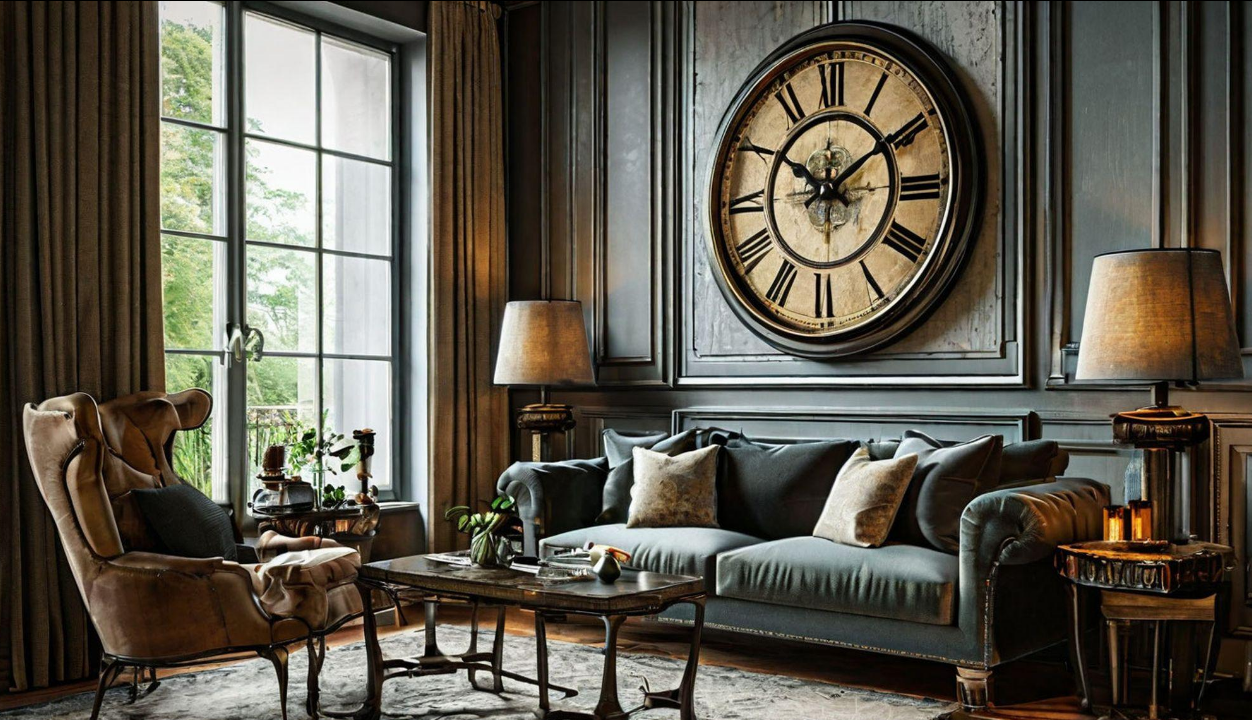
A vintage wall clock is more than a decoration. For centuries, clocks have represented the combination of mechanical engineering, artistic craftsmanship, and human perception of time. Modern European-style wall clocks continue this tradition by combining classic architectural aesthetics with advanced precision timing technology.
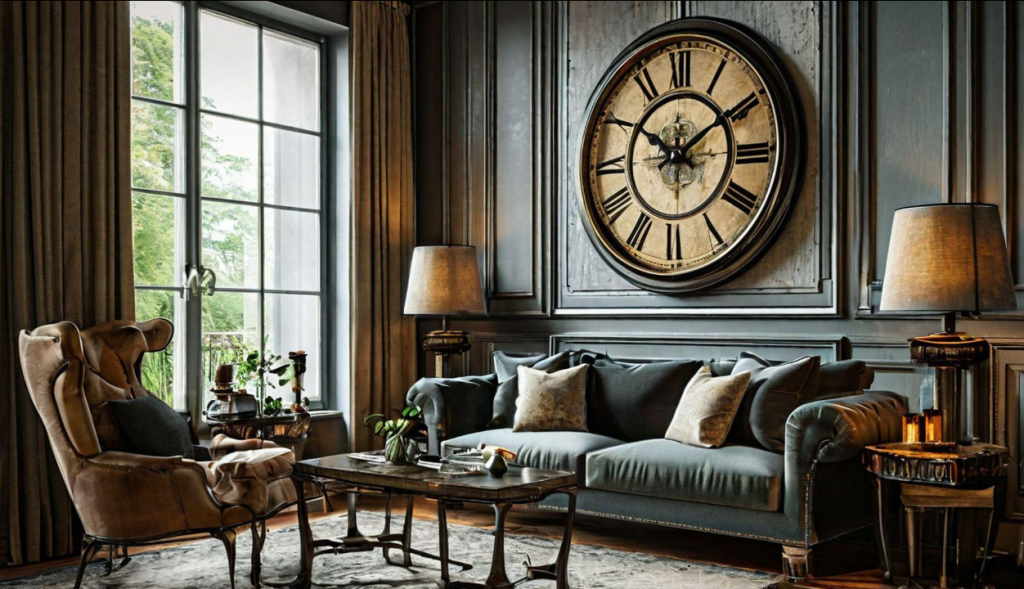
The European Living Room Home Wall Clock is designed around this philosophy — creating a decorative centerpiece while maintaining reliable modern performance.
1. Evolution of European Wall Clock Engineering
Traditional European clocks originated from mechanical clockmaking technologies developed between the 14th and 18th centuries.
Early wall clocks relied on:
| Period | Technology | Characteristics |
|---|---|---|
| 14th–16th Century | Mechanical escapement | Required manual winding |
| 17th Century | Pendulum regulation | Improved accuracy |
| 18th–19th Century | Decorative clock cases | Combined art and engineering |
| Modern Era | Quartz movement | High precision and low maintenance |
Today’s vintage-style clocks preserve the visual language of historical clocks while replacing complex mechanical systems with efficient quartz technology.
2. Quartz Movement: The Precision Core Inside the Clock
Although the exterior creates a classic European atmosphere, the internal timing system uses modern quartz movement technology.
The working principle:
- The battery supplies electrical energy.
- The quartz crystal oscillator vibrates at 32,768 Hz.
- The circuit converts vibration frequency into precise electrical pulses.
- The stepping motor moves the clock hands.
The frequency standard:
| Component | Technical Parameter |
|---|---|
| Quartz oscillator frequency | 32,768 Hz |
| Power source | AA battery |
| Time accuracy | Approximately ±15 seconds/month |
| Operating lifetime | 12–24 months per battery |
Compared with traditional mechanical clocks, quartz systems provide:
- Higher accuracy
- Lower maintenance
- Stable operation
- Silent performance
3. Silent Sweep Technology: Designed for Modern Homes
One important improvement in modern decorative clocks is the silent movement mechanism.
Traditional ticking clocks produce sound because the second hand moves through mechanical steps.
Silent quartz movements use a continuous sweeping system:
Traditional Clock
Gear movement → Step motion → Audible ticking
Silent Clock
Electronic pulse control → Smooth motor rotation → Reduced noise
This makes the clock suitable for:
- Living rooms
- Bedrooms
- Offices
- Reading spaces
where a quiet environment is important.
4. Material Engineering and Structural Design
The beauty of European vintage clocks comes from the balance between structure and decoration.
Typical construction includes:
| Component | Function |
|---|---|
| Metal frame | Provides rigidity and vintage appearance |
| Protective dial cover | Prevents dust accumulation |
| Lightweight clock hands | Reduces motor load |
| High-contrast dial | Improves readability |
The design follows a principle used in classical European interiors:
“Decoration should serve both beauty and function.”
5. Why Vintage Wall Clocks Remain Popular in Modern Interior Design
According to interior design trends, vintage elements continue to be widely used because they create:
- Historical atmosphere
- Visual focus on empty walls
- Warm residential feeling
- Personalized home style
A European wall clock works as both:
A precision instrument + A decorative artwork
It transforms an ordinary wall into an architectural feature.
Technical Specification Summary
| Feature | Description |
|---|---|
| Movement Type | Quartz electronic movement |
| Power | Battery powered |
| Accuracy | High precision timing |
| Noise Level | Silent operation |
| Style | European vintage design |
| Application | Living room, bedroom, office, cafe |
Conclusion
The modern European vintage wall clock represents the perfect combination of traditional aesthetics and modern engineering.
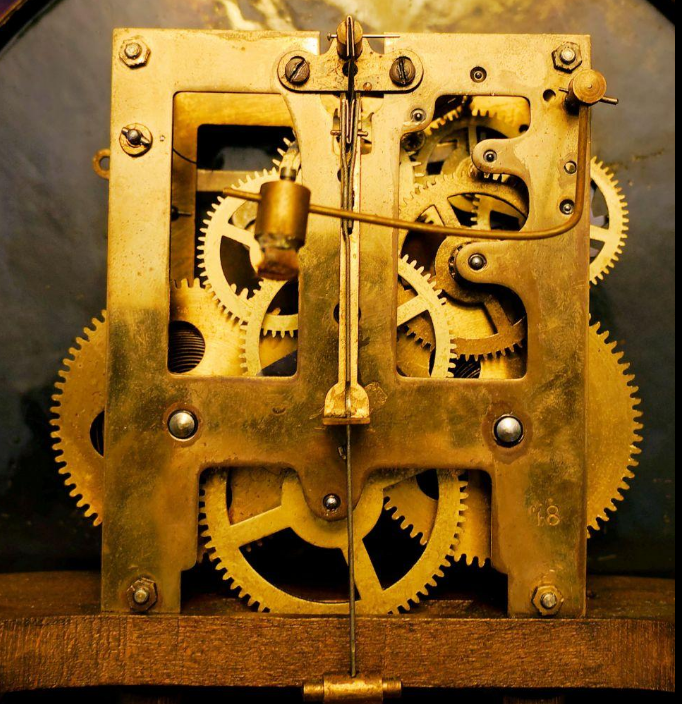
Behind its classic appearance is a precise electronic timing system, carefully designed mechanical structure, and a philosophy that values both functionality and beauty.
For homeowners who appreciate vintage style, industrial design, and timeless decoration, a European wall clock is not just a timepiece — it is a piece of functional art.
